


Bali has long been the crown jewel of the Indonesian archipelago, celebrated for its emerald rice terraces, spiritual devotion, and a culture that breathes art into every stone carving and silk weave. However, in the last decade, a new form of artistry has transformed the island into a global pilgrimage site: the world of high-end tattooing.
Finding Your Vibe: The Bali Tattoo Scene
The Artistic Hubs: Canggu vs. Seminyak vs. Ubud
Geography in Bali often dictates the aesthetic. Canggu Tattoo bali is the current epicenter of the “cool.” It is the global capital for Fine Line, Micro-realism, and minimalist designs. If you want a delicate single-needle piece that looks like it was drawn with a technical pen, Canggu is your destination. Studios here are often bright, airy, and filled with young talent from across the globe.
Seminyak offers the luxury experience. The studios here are established, often featuring large teams of artists specializing in “Big Art”—think hyper-realistic portraits, intricate Japanese sleeves, and bold Neo-traditional color work. Seminyak is where you go for a polished, professional experience where every detail, from the coffee in the lobby to the lighting in the booth, is curated.
Ubud, the cultural heart, leans toward the spiritual. This is the home of sacred geometry, intricate mandalas, and traditional Balinese iconography. In Ubud, the process is often as important as the result, with many artists offering a more meditative environment for their clients.
Traditional Balinese Artistry: The Hand-Tapping Method
For the truly adventurous, Bali offers a connection to ancient Austronesian roots through hand-tapping. Unlike a machine, this method uses a wooden stick and a needle-tipped mallet to manually tap ink into the skin. It is rhythmic, deeply traditional, and surprisingly gentle. Seeking out a traditional “Batik” or “Barong” design through this method is more than a tattoo; it is a cultural immersion.
Quality Control: Choosing Your Studio
When you are thousands of miles from home, safety isn’t just a preference—it is paramount. The tattoo bali industry has undergone a radical transformation over the last decade, with top-tier studios now maintaining protocols that are often more sterile than a local dental clinic. However, because the island’s popularity has led to a saturation of shops, the burden of “vetting” falls on the client. To ensure you receive a piece of art rather than a medical complication, you must look beyond the aesthetic decor of the lobby and scrutinize the back-of-house operations.
The Comprehensive Hygiene Checklist
A professional studio will never be offended by questions regarding their safety standards. In fact, the best artists in the tattoo bali scene are proud of their protocols. Before you pay a deposit, verify the following:
- Medical-Grade Sterilization: Does the studio utilize a specialized Autoclave for any non-disposable equipment? While most modern shops use 100% disposable “single-use” grips and cartridges, any reusable steel tools must be pressure-steam sterilized.
- The “Click” of the Needle: Ensure that all needles are blister-packed and opened directly in your line of sight. If the station is already set up before you enter the room, ask for a fresh setup.
- Ink Integrity: In the past, “local” inks were a concern. Today, premium studios exclusively use internationally recognized, REACH-compliant, and often vegan-friendly pigments (such as Eternal, Fusion, or World Famous). These inks are tested for heavy metals and are far less likely to cause an allergic reaction.
- Climate-Controlled Environments: A studio must be fully air-conditioned. Beyond your personal comfort, a cool environment is essential for keeping the skin’s pores tight and preventing the growth of airborne bacteria that thrive in the Balinese humidity.
Portfolio Over Popularity: The Social Media Trap
In the age of Instagram and TikTok, it is easy to be swayed by a studio with a massive following or a sleekly edited video of an artist at work. However, “likes” do not equate to technical proficiency. When searching for the best tattoo bali has to offer, you must look specifically for healed photos—ideally those that are at least six months to a year old.
A fresh tattoo is an optical illusion; the skin is inflamed, the ink is sitting in the upper layers, and the colors are unnaturally vibrant. The true test of an artist’s skill is how that ink settles into the dermis once the body’s immune system has processed the initial trauma. In the tropical Bali climate, skin can be more prone to edema (swelling), and an artist who doesn’t understand proper needle depth can easily cause “blowouts”—where the ink spreads into a blurry shadow under the skin. An artist who understands skin depth and pigment longevity in the tropics is worth their weight in gold, as they are designing for your future self, not just for a “fresh” photo on your feed.
Furthermore, look for consistency. A high-quality portfolio should show a mastery of a specific style rather than a “jack of all trades” approach. Whether it’s the razor-sharp lines of a geometric sleeve or the soft gradients of a micro-realism portrait, the work should be uniform across their entire body of work. When you book a tattoo bali, you aren’t just buying the ink; you are buying the artist’s years of disciplined practice and their understanding of how the human body ages over time.
The Golden Rules of Tropical Aftercare
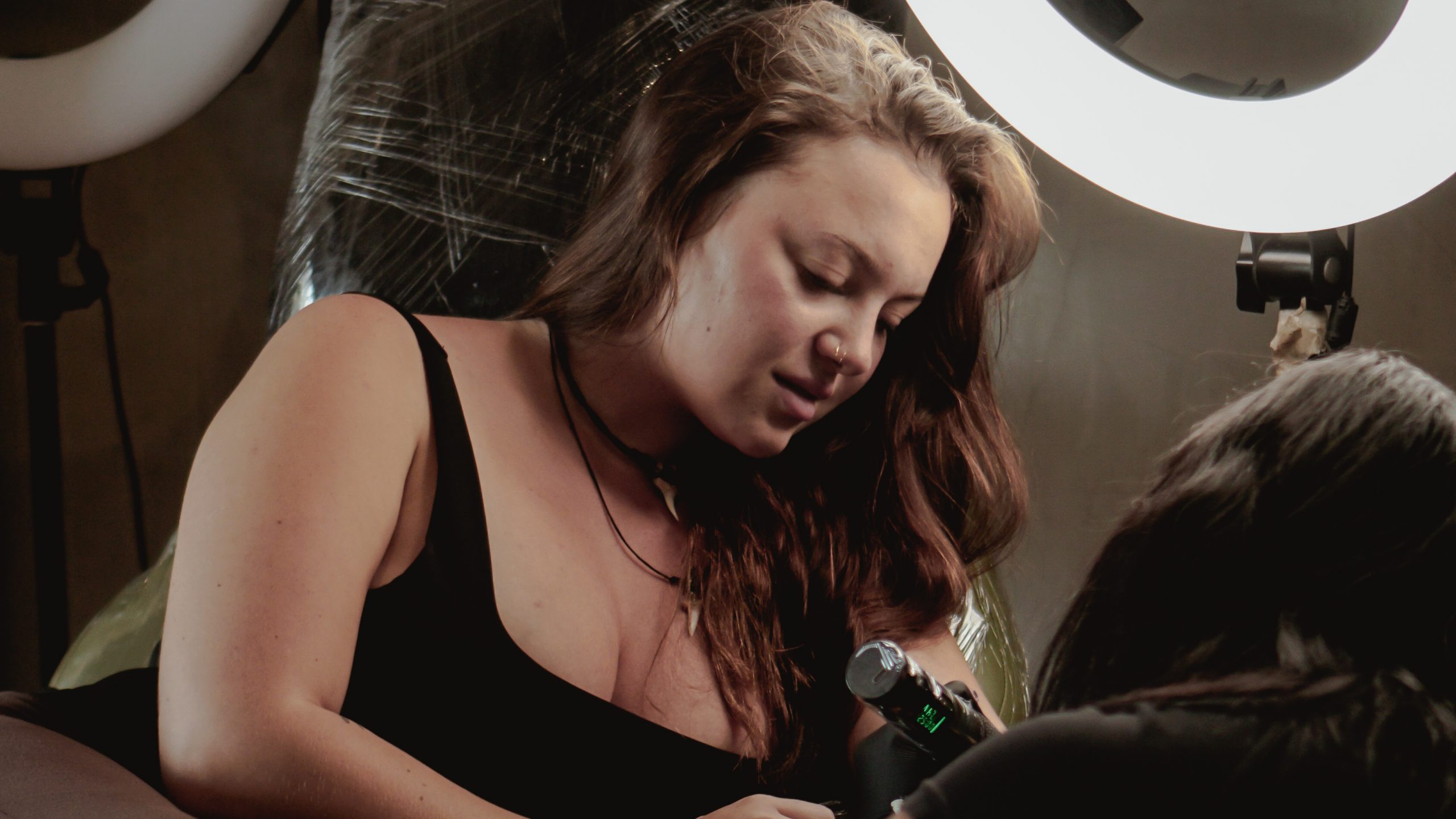
This is, without exaggeration, the most critical section of this guide. In a temperate climate, tattoo healing is relatively straightforward; however, Bali’s environmental variables—namely the consistent 30°C heat, 90% humidity, and ubiquitous tropical bacteria—create a “perfect storm” for potential complications. When you are in the tropics, your skin is under constant stress from perspiration and UV exposure, meaning your standard aftercare routine needs a serious upgrade to ensure your investment doesn’t literally wash away.
The “No-Swim” Rule: Protecting Your Open Wound
You must treat your new tattoo for what it fundamentally is: a medical-grade open wound. Because of this, you must not submerge your new ink in the ocean, a swimming pool, or even a bathtub for at least 14 days. While the turquoise waters of Uluwatu are tempting, they are teeming with microscopic life. Tropical seawater contains various strains of bacteria, including Vibrio, which thrive in warm currents and can cause severe infections in fresh punctures.
Furthermore, the high chlorine and chemical content of Bali’s villa pools act as a bleaching agent. Chlorine is designed to kill bacteria, but on a fresh tattoo, it can leach the pigment out of the dermis before it has a chance to settle, leading to patchy, “hollow” spots in your design. If your holiday itinerary includes surfing, snorkeling, or daily pool sessions, the only logical strategy is to schedule your appointment for the final 48 hours of your trip. A single five-minute dip can ruin a masterpiece that was meant to last a lifetime.
Sun is the Enemy: The UV Reality
In Bali, the sun isn’t just a source of a tan; it is a high-intensity UV source that acts like a laser on fresh ink. During the first two weeks, your skin’s natural protective barrier is compromised. Direct exposure to the Balinese sun will cause an immediate “burning” sensation as the dark ink absorbs heat more rapidly than the surrounding skin. This thermal reaction can cause the ink particles to expand and blur—a process known as “blowout”—permanently softening the sharp lines you paid for.
To protect your piece, you must keep it physically covered with loose, breathable, 100% cotton clothing. Synthetic fabrics like polyester can trap heat and sweat against the wound, creating a greenhouse effect that invites “moisture rash” or pimples around the tattoo. Crucially, do not apply sunscreen to a fresh tattoo. The chemicals and minerals in sunblocks are designed to sit on top of intact skin; if they enter the open punctures of a new tattoo, they can cause severe irritation or chemical dermatitis. Only after the tattoo has fully peeled and the “silver skin” phase has passed should you begin applying a high-SPF (50+) zinc-based blocker to maintain the ink’s vibrancy.
Managing the Humidity: The “Less is More” Approach
A common mistake in Bali is over-moisturizing. In dry climates, you might apply ointment four times a day. In Bali’s 90% humidity, your skin cannot breathe if it is buried under thick layers of petroleum-based products. Excess moisture can lead to “ink leaching,” where the scab becomes too soft and pulls the pigment out with it. Stick to a very thin layer of specialized tattoo balm or a fragrance-free water-based lotion only when the skin feels tight. In the tropics, oxygen is your best friend for a crisp, clean heal.
Frequently Asked Questions
Can I drink alcohol after my session?
How far in advance should I book?
Can I fly right after getting a tattoo?
Yes, but keep it clean. Plane cabins are notoriously dry and dirty. Keep your aftercare ointment close and ensure the tattoo is protected from the seat material.